






GIVE YOUR BREEDING HORSES THE RANVET ADVANTAGE THIS SPRING
Courtesy Ranvet “Three quarters of the breeding is in the feeding.”— Bart Cummings, 12-time Melbourne Cup–winning trainer Breeding season can feel overwhelming:…
Free Delivery when you spend $99 or more. (Weight Limits Apply – view more)

 Dog
Dog

Shop Tuckers great range of dog food, health care & wellness products today. Delivered or Click & Collect.
 PROTECT YOUR FAMILY AND YOUR FLOCK: THE NEW ALL-IN-ONE FOR THE AUSTRALIAN FARM DOGS
 HARD YAKKA MEETS GOOD TUCKER: ONE BAG TO FEED THE WHOLE PACK
 BENEFITS OF WET FOOD FOR YOUR DOG'S HEALTH
 What to look for in a quality dog food (without overcomplicating it)
 Choosing the right dog bed: raised vs ground-level
 Cat
Cat

Tuckers has a great range of cat food, health care & litter products for your beloved cat. Shop now.
 Horse
Horse
Tuckers carry a huge range of food, supplements, health care, hoof care and grooming accessories. Shop now.
 Chook/Bird

Tuckers range of food, accessories & health care products will keep your chooks & birds happy and healthy.
 Small Animal

Shop food and health care products for your little mates @ Tuckers. Delivered or Click & Collect.
 Farm/Garden

Tuckers carry a wide range of sheep & cattle products, plus everything you’ll need around the farm or garden.
Dog
Shop Tuckers great range of dog food, health care & wellness products today. Delivered or Click & Collect.
PROTECT YOUR FAMILY AND YOUR FLOCK: THE NEW ALL-IN-ONE FOR THE AUSTRALIAN FARM DOGS HARD YAKKA MEETS GOOD TUCKER: ONE BAG TO FEED THE WHOLE PACK BENEFITS OF WET FOOD FOR YOUR DOG'S HEALTH What to look for in a quality dog food (without overcomplicating it) Choosing the right dog bed: raised vs ground-level Cat
Tuckers has a great range of cat food, health care & litter products for your beloved cat. Shop now.
Horse
Tuckers carry a huge range of food, supplements, health care, hoof care and grooming accessories. Shop now.
Chook/Bird
Tuckers range of food, accessories & health care products will keep your chooks & birds happy and healthy.
Small Animal
Shop food and health care products for your little mates @ Tuckers. Delivered or Click & Collect.
Farm/Garden
Tuckers carry a wide range of sheep & cattle products, plus everything you’ll need around the farm or garden.
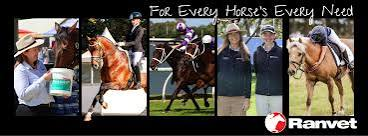
Many people are of the belief that in winter their horses simply don’t need to drink as much water, nor do they need salt or electrolyte supplements. We can be tricked into such way of thinking because temperatures aren’t as high, humidity is lower, and our may horses may not appear to be visually sweating as much, thus it must be normal for fluid intake to reduce, right? Actually, the answer is no. This could not be further from the truth! In fact, our horse’s hydration levels need just as much attention in winter as they do in summer.
Naturally, a horses thirst reflex, controlled by salt levels in the body is reduced in winter, if left unstimulated. But there can also be a number of physical and environmental barriers that further impact on water intake.
What can a reduced water intake lead to?
What can I do to reduce this risk of winter dehydration?
The best way to avoid dehydration in winter is much the same as our approaches during summer!
Proper hydration is just as important when it is cold as it is during the warmer months. Dehydration can quickly lead to various health ailments; poor gut health, reduced performance, loss of body condition and poor general health, and can escalate quickly into colic. Continuing to maintain good fluid and electrolyte intake in winter is critical to your horse’s health. Small things such as adding salt to your horses’ diet monitoring water supply and adding a salt lick to the yard are just a few things you can do to help your horse stay hydrated and healthy through the cold winter months.
Entire range - quick and secure delivery
Buy securely online and pickup at your local store
Call your local store and come on down to pickup
© 2026 Tuckers Pet & Produce.